Artifacts that seem anachronistic or out of place
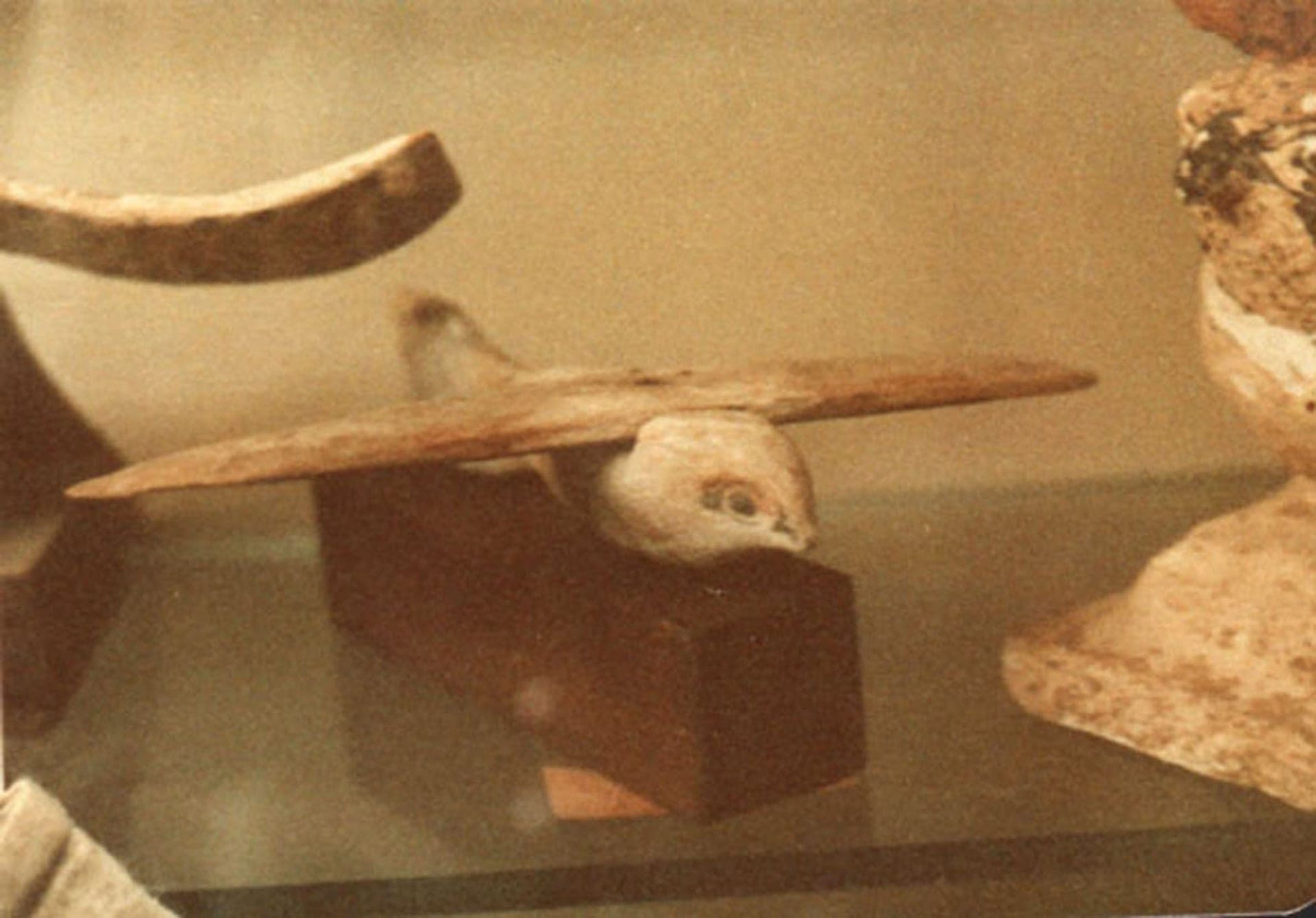
A wooden bird artifact from an Egyptian tomb circa 200 BCE bears a striking resemblance to modern gliders. Some claim it proves ancient Egyptians understood aerodynamics—mainstream archaeologists disagree.
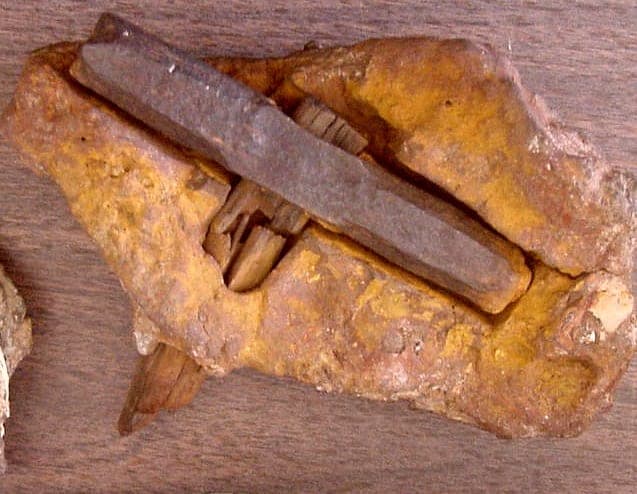
A hammer allegedly found embedded in 400-million-year-old rock near London, Texas in 1936. Young Earth creationists claim it disproves evolution, but geologists offer a far simpler explanation.

Metallic spheres found in 2.8-billion-year-old rock in South Africa feature grooved lines and near-spherical shapes. Some claim they are proof of intelligent life predating all known civilizations by billions of years.
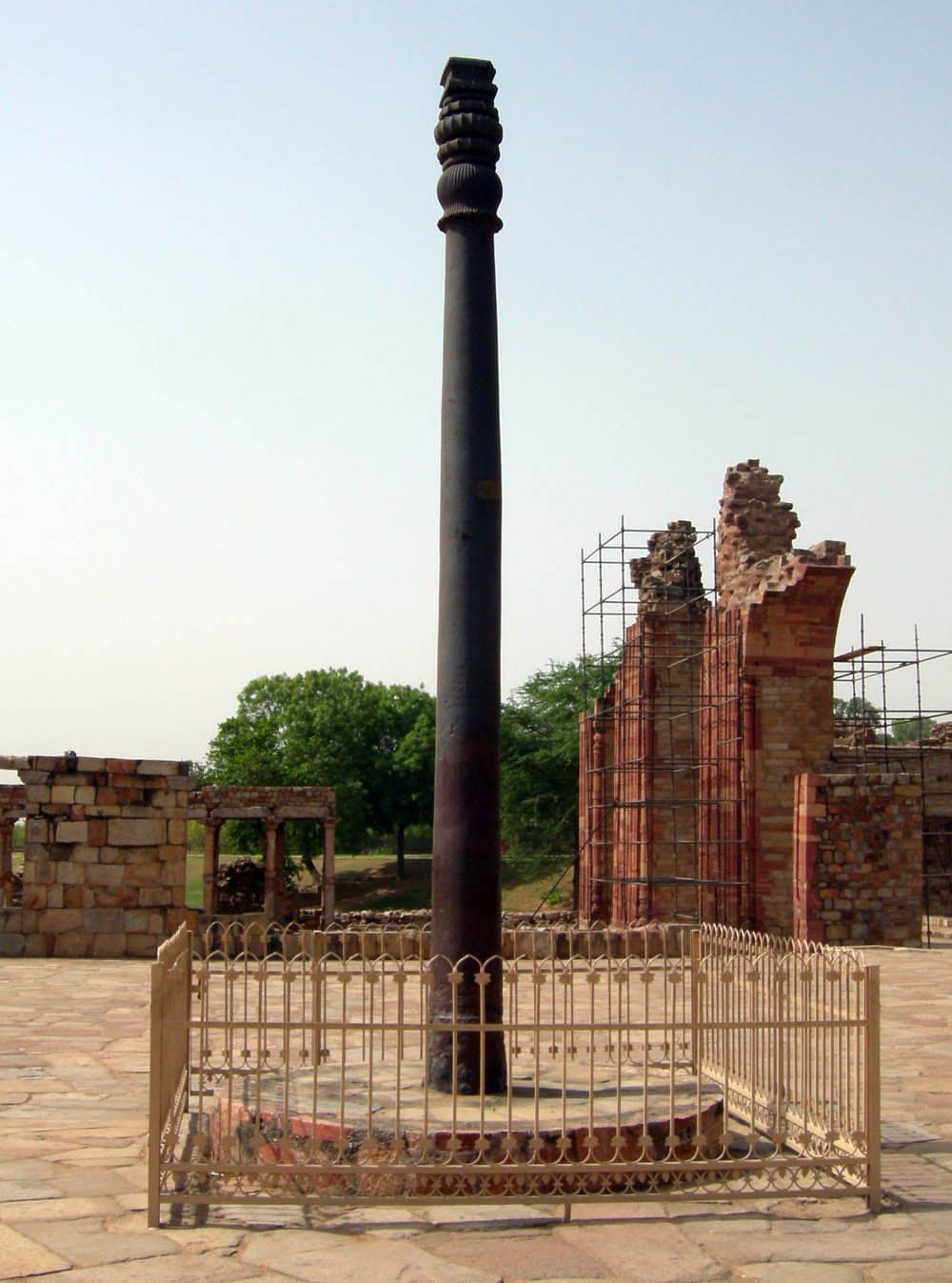
Standing in Delhi for over 1,600 years, this iron pillar has barely rusted. It remains a testament to the astonishing metallurgical skill of ancient India—and a puzzle that modern science only recently began to solve.
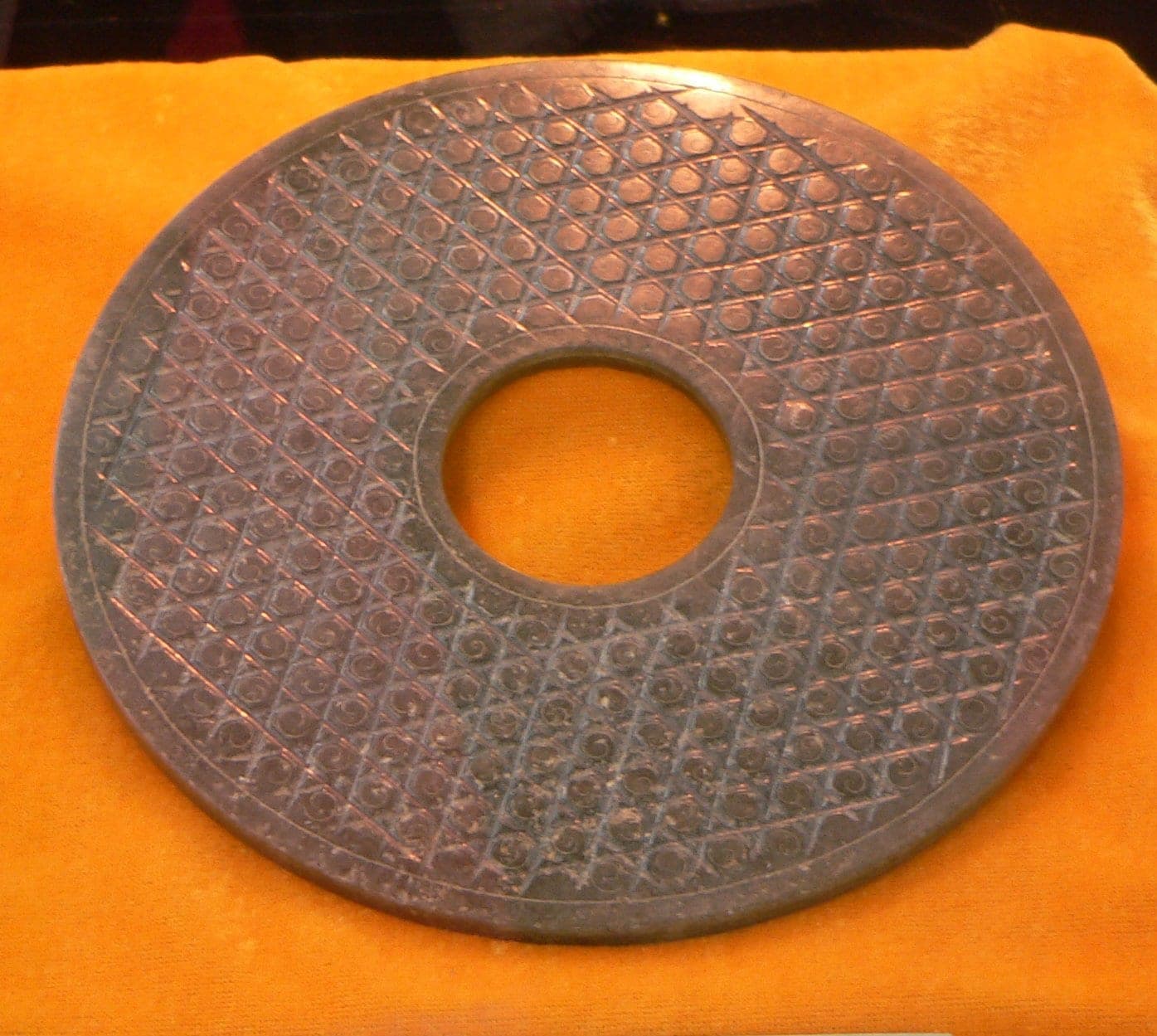
Disc-shaped stones allegedly discovered in Chinese mountains in 1938, said to contain records of an alien crash-landing 12,000 years ago. Their very existence is now in serious doubt.
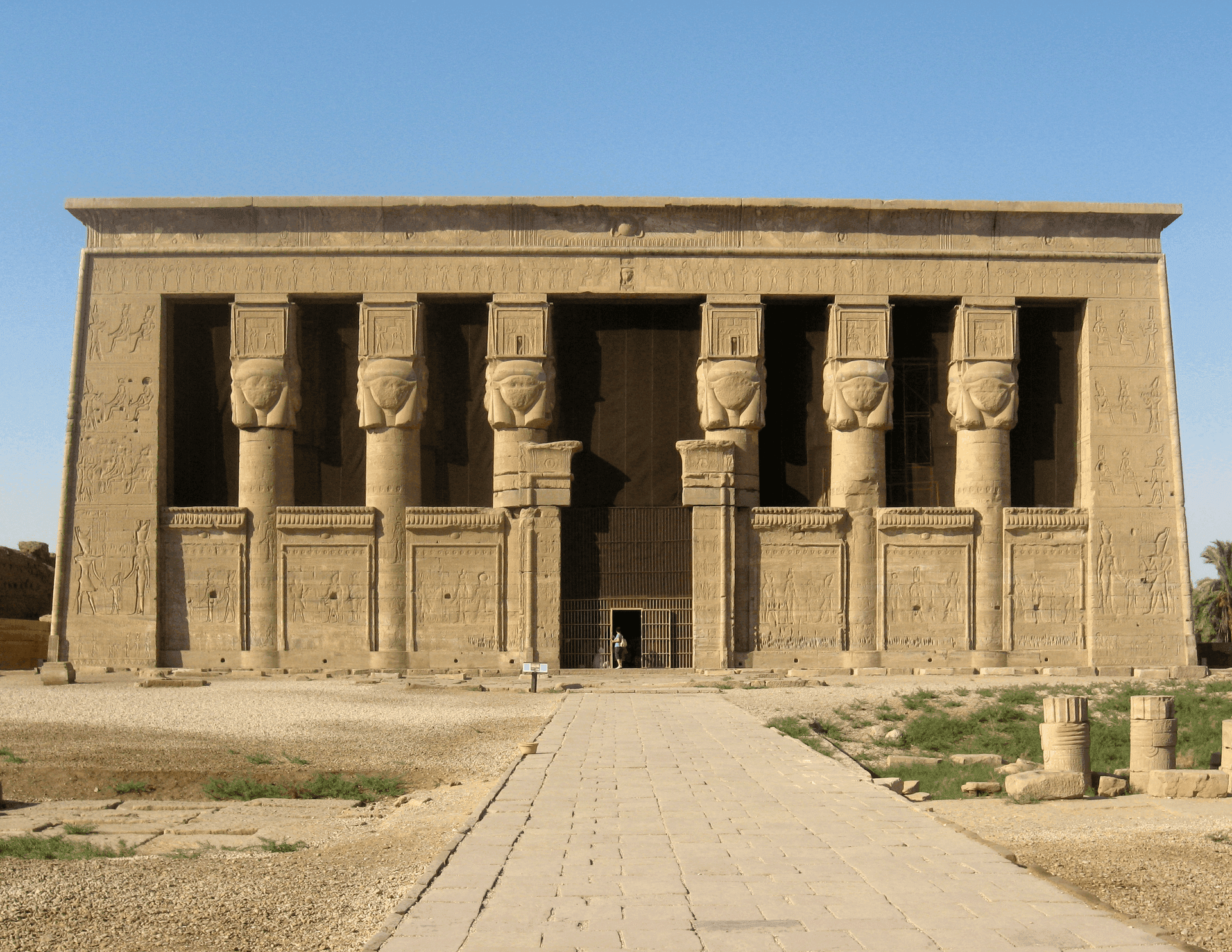
Carvings in an underground crypt at Dendera Temple in Egypt bear a striking resemblance to modern light bulbs. Did ancient Egyptians harness electricity? The debate between archaeologists and alternative historians rages on.
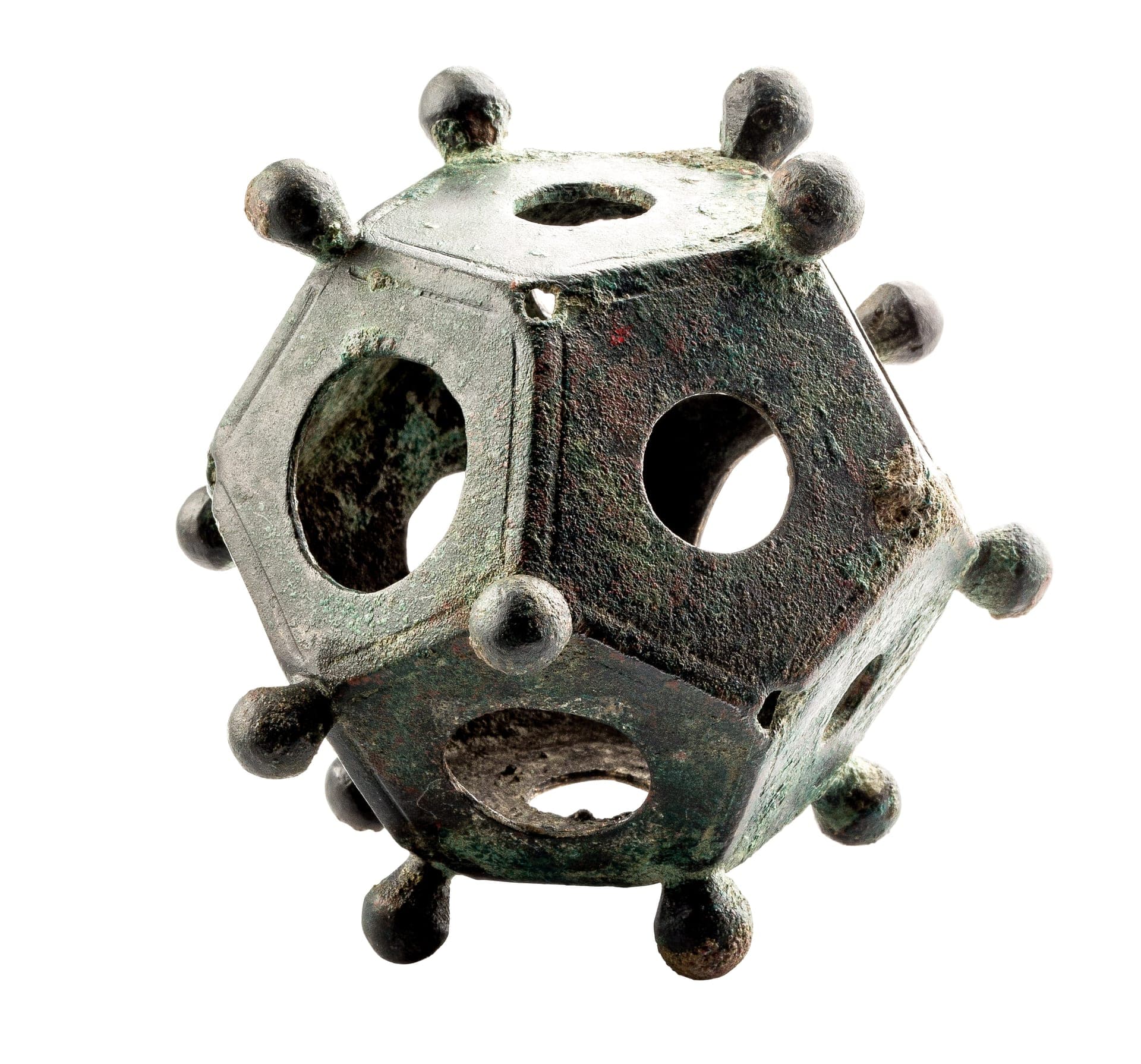
Over 100 bronze dodecahedra have been found across the former Roman Empire. Each face has a different-sized circular hole, and each corner bears a small knob. No one knows what they were for.
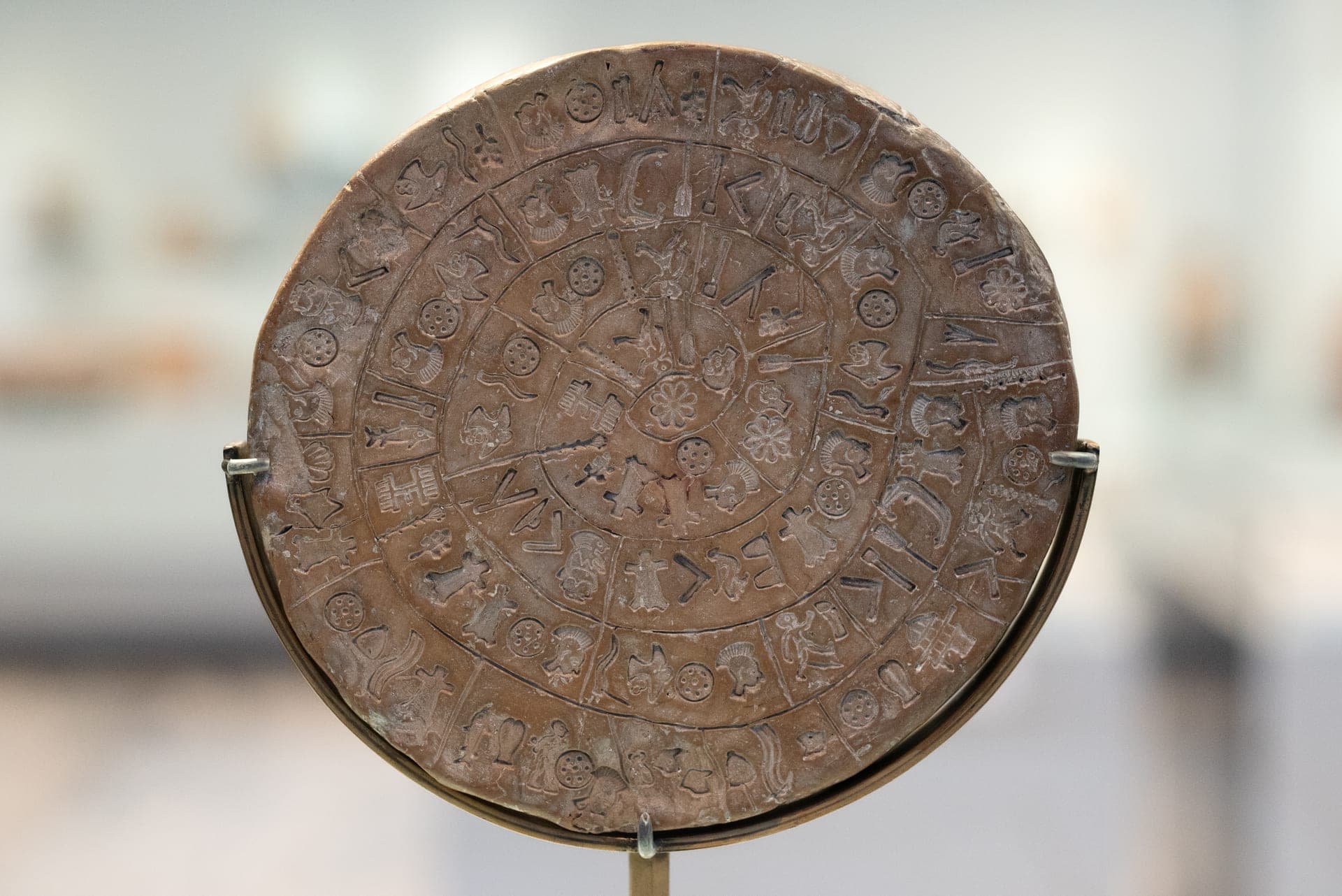
Discovered in 1908 at the Palace of Phaistos in Crete, this clay disc bears 242 stamped symbols that have defied every attempt at decipherment. It remains the Bronze Age's greatest linguistic enigma.

Transparent quartz skulls attributed to ancient Mesoamerican civilizations defy the technological capabilities of their supposed era. Their true origins and purpose remain one of archaeology's most contentious mysteries.

Over 300 stone spheres, some over two meters in diameter and weighing 16 tonnes, have been found in Costa Rica's Diquis Delta. Their near-perfect roundness and purpose remain unexplained.
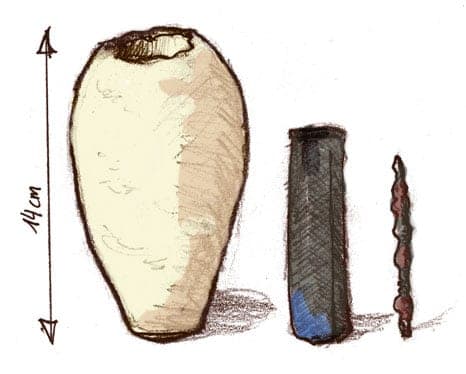
A Parthian-era artifact from around 250 BC consisting of a clay jar containing a copper cylinder and iron rod, debated as a possible ancient battery.
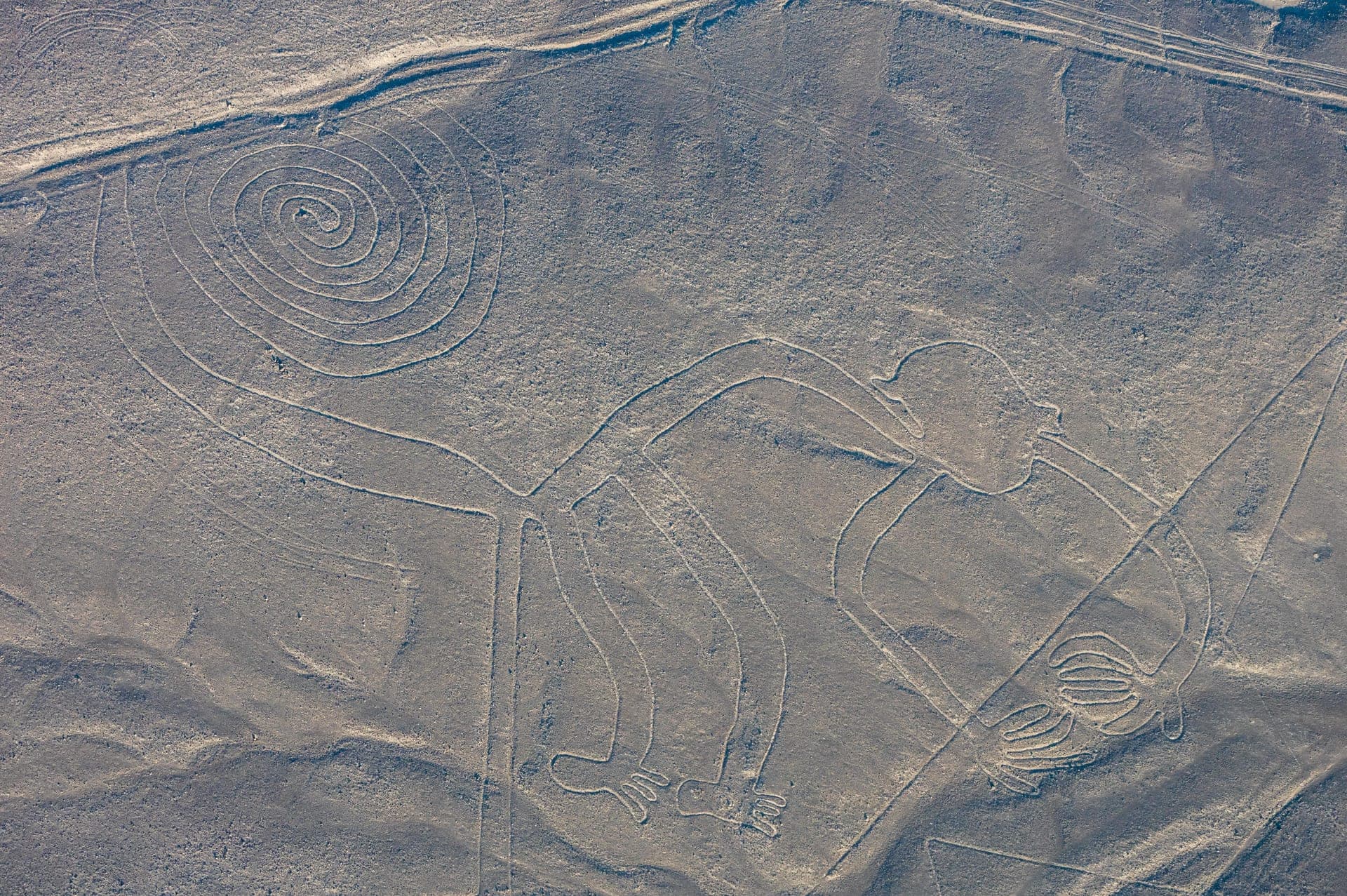
Enormous geoglyphs etched into the Nazca Plateau in southern Peru, created by the Nazca civilization between 500 BC and 500 AD. Their purpose remains a subject of debate.