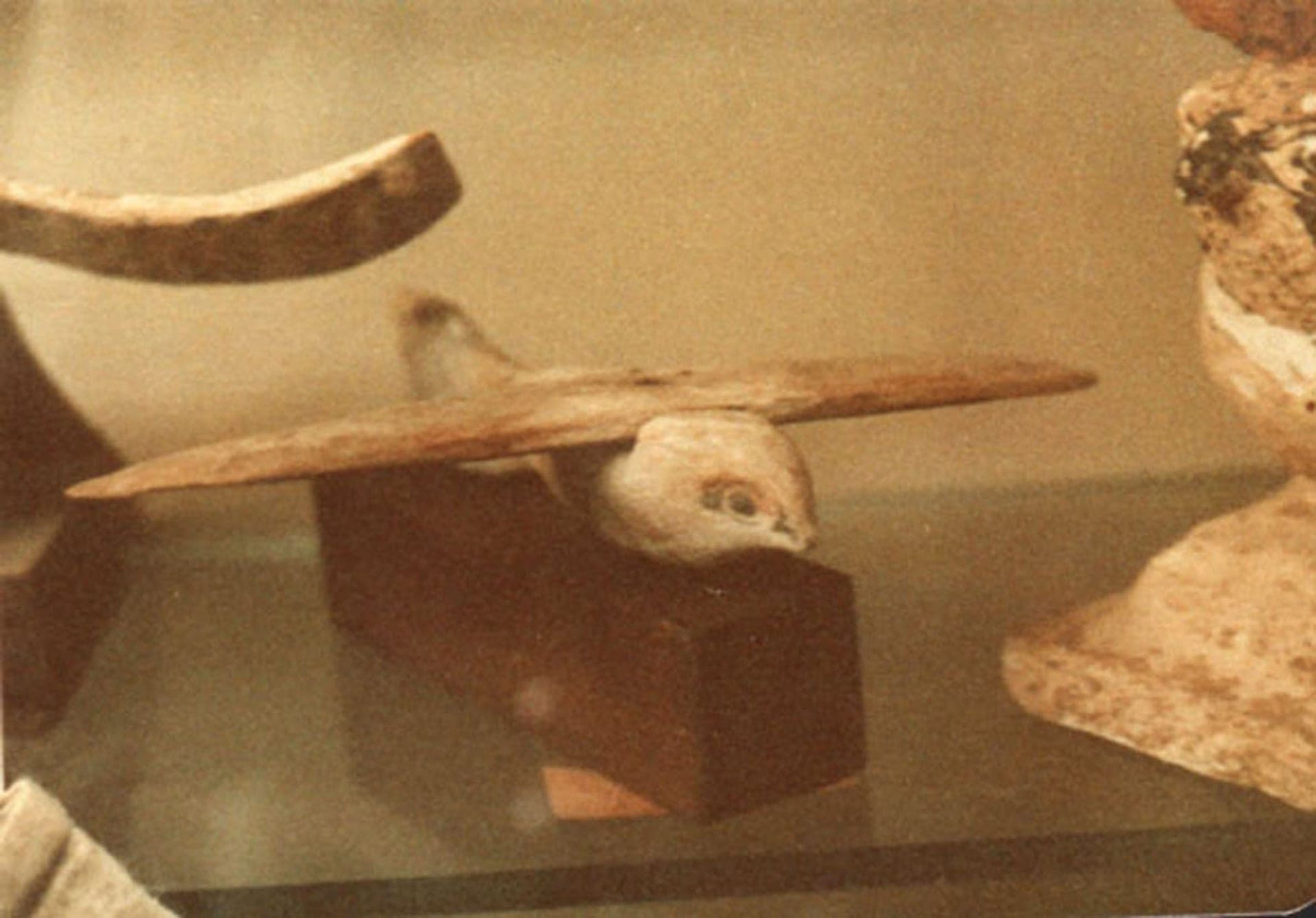
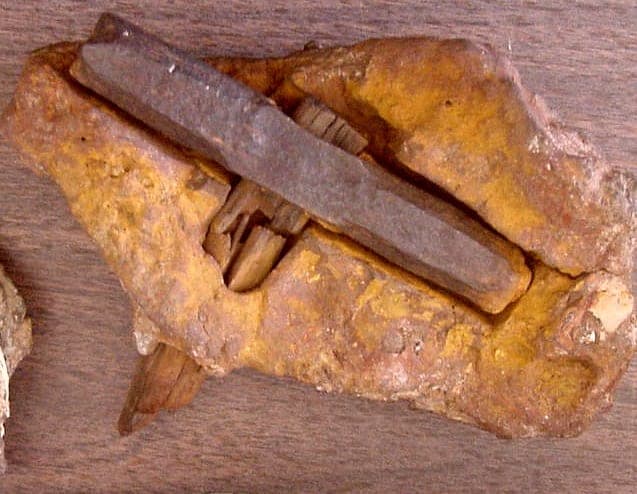
An extraordinarily sophisticated gear-driven astronomical calculator believed to date from the 2nd century BC, far exceeding the known technological capabilities of ancient Greece.
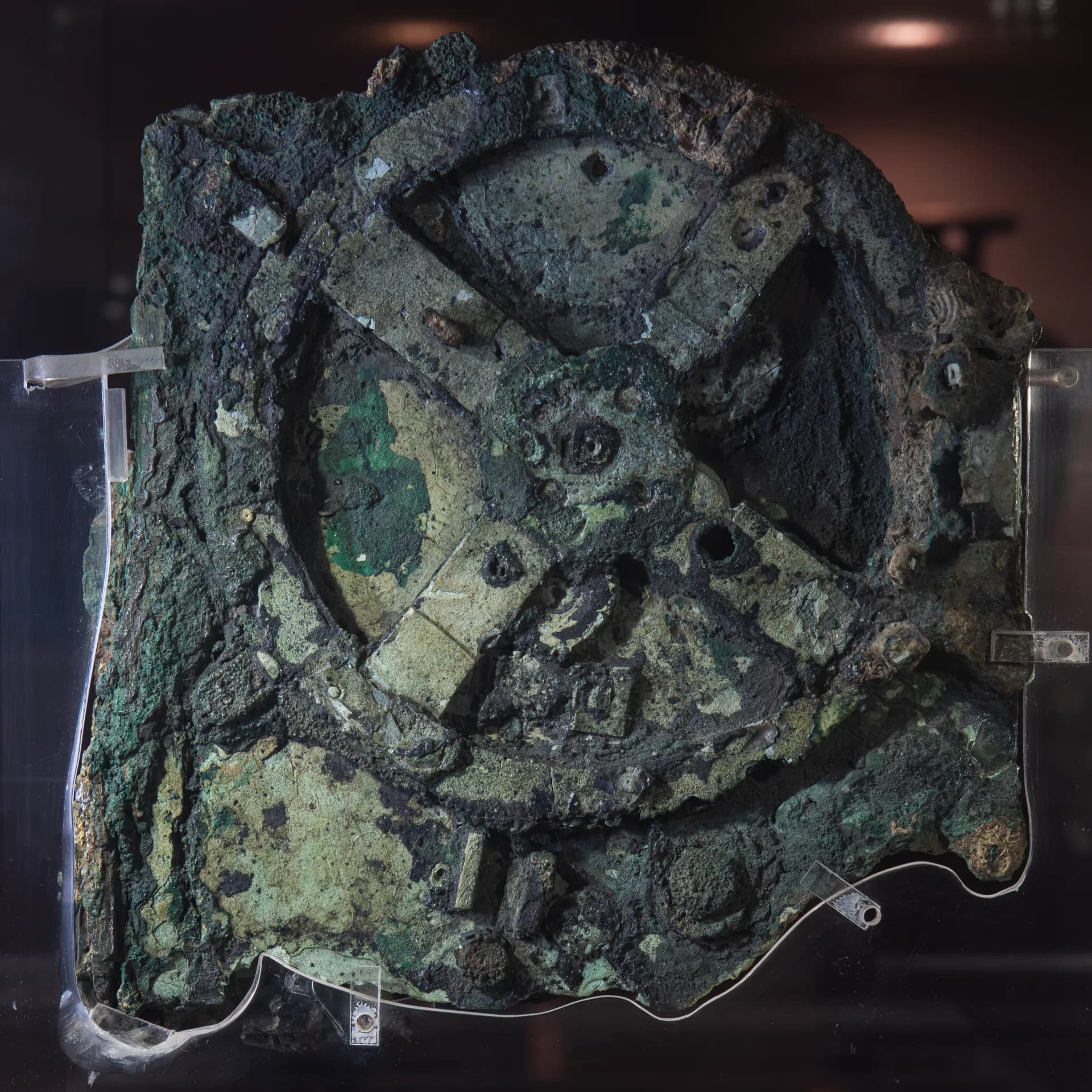
The Antikythera Mechanism is an ancient mechanical device recovered in 1901 from a shipwreck off the coast of Antikythera, a Greek island. Dated to approximately 150-100 BC, it consists of over 30 bronze gears. It could reportedly calculate the positions of the sun and moon, predict eclipses, and even track the cycle of the Olympic Games.
In 1900, sponge divers discovered an ancient Roman shipwreck off Antikythera. During salvage operations in 1901, a corroded lump of bronze was recovered. Its significance went unrecognized at first, but later examination revealed an intricate internal gear system.
From 2005 onward, high-resolution X-ray CT scans revealed the internal structure in remarkable detail. A complex mechanism of 37 interlocking gears was uncovered, with scales on the rear face designed to predict astronomical events. Over 2,000 characters of Greek inscriptions were identified on some gear fragments.