EnigmatlasENIGMATLAS
ParanormalUnsolved

The Mary Celeste

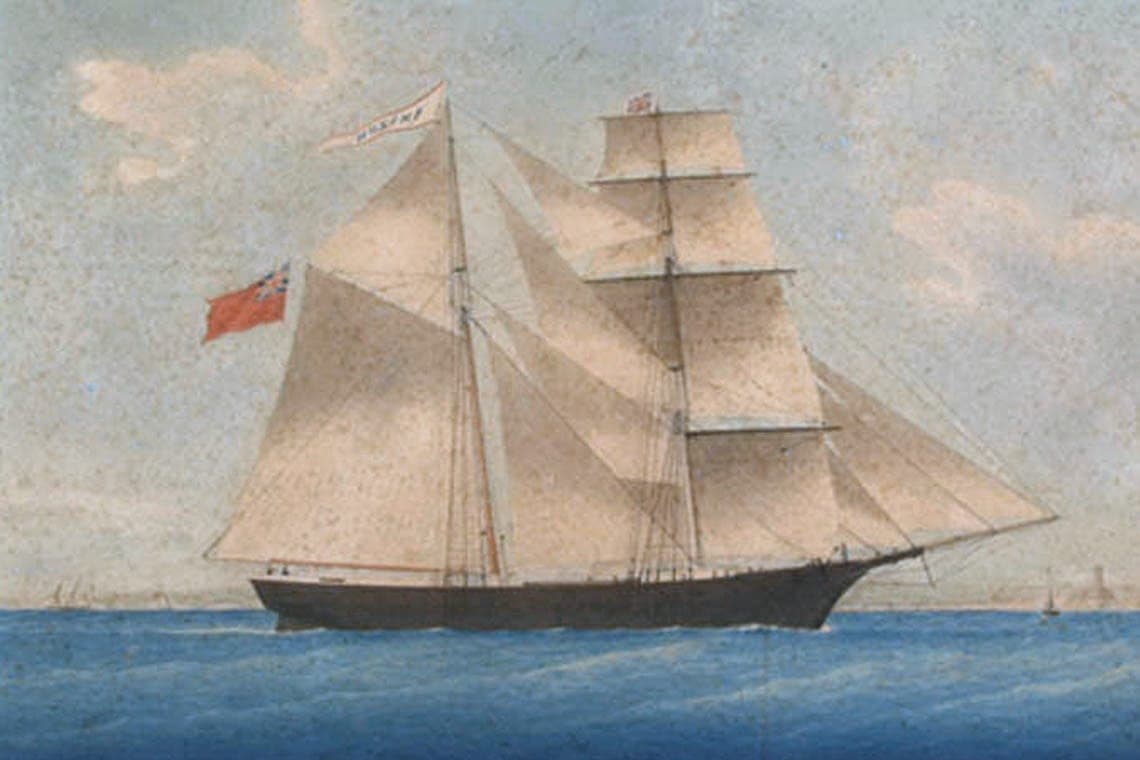
The Mary Celeste, a ghost ship found adrift in the Atlantic Ocean in 1872. The vessel was seaworthy and largely undamaged, but all ten people aboard had vanished.
Location:
Atlantic Ocean, near Azores, Portugal
Date Occurred:
December 4, 1872
Status:
Unsolved

Overview

The Mary Celeste was an American merchant brigantine that departed New York on November 7, 1872, bound for Genoa, Italy. Aboard were Captain Benjamin Briggs, his wife and infant daughter, and seven crew members—ten people in total.

Approximately one month later, on December 4, the British brigantine Dei Gratia discovered the Mary Celeste adrift near the Azores, off the coast of Portugal. The ship was largely undamaged, with ample supplies of food and fresh water still aboard. However, all occupants had vanished, and the single lifeboat was missing.

More than 150 years after its discovery, the precise reason for the crew's disappearance remains unknown.

Key Evidence and Claims

Condition at Discovery

The ship had some torn sails and open cargo hatches but almost no structural damage. The captain's log ended on November 25, with a nine-day gap before discovery. Personal belongings and valuables were left untouched.

The Alcohol Cargo

The Mary Celeste was carrying 1,701 barrels of industrial alcohol. Nine barrels were found empty upon discovery, raising the possibility that they were connected to gas buildup.

The Gibraltar Inquiry

The crew of the Dei Gratia towed the Mary Celeste to Gibraltar, where a maritime court hearing was held. The judge found no evidence of violence or piracy and awarded salvage rights.


Proposed Hypotheses

  • Flammable vapors from the industrial alcohol posed an explosion risk, prompting the crew to abandon ship in an emergency
  • Seismic activity or underwater volcanic eruptions caused abnormal sea conditions, sending the crew into panic
  • Piracy or foul play by the crew of the Dei Gratia

AI Analysis

Scientific Explanation

The most scientifically supported explanation for the Mary Celeste is the alcohol vapor explosion hypothesis. With nine barrels found empty, alcohol vapors may have accumulated in the hold, causing a minor explosion (possibly a flameless "cool explosion"). This could have led the captain to fear the ship might explode, ordering everyone into the lifeboat. If the tow rope broke, they would have been unable to reboard. A 2006 experiment at UCL (University College London) successfully reproduced a cool explosion with butane gas, lending support to this hypothesis.

Alternative Theories
  • Vapors from the industrial alcohol cargo accumulated in the hold and caused a flameless explosion. The captain feared further explosions and ordered everyone into the lifeboat, but the tow rope broke and they drifted away.
  • Submarine seismic activity near the Azores caused abnormal wave action or flooding, leading the crew to fear the ship was sinking and abandon it in the lifeboat.
  • The crew of the Dei Gratia killed or removed the Mary Celeste's occupants to claim salvage rights. However, the maritime court found no evidence of violence.
Credibility Assessment

Credibility 8/10 — The discovery of the Mary Celeste is thoroughly documented, including maritime court records. The crew's disappearance is an undeniable fact, though the direct cause remains speculative. The alcohol vapor hypothesis has experimental support and is the most compelling.