In 1959, nine hikers died under baffling circumstances in the Ural Mountains. Their tent was torn from the inside, and bodies were found inadequately dressed in freezing conditions.
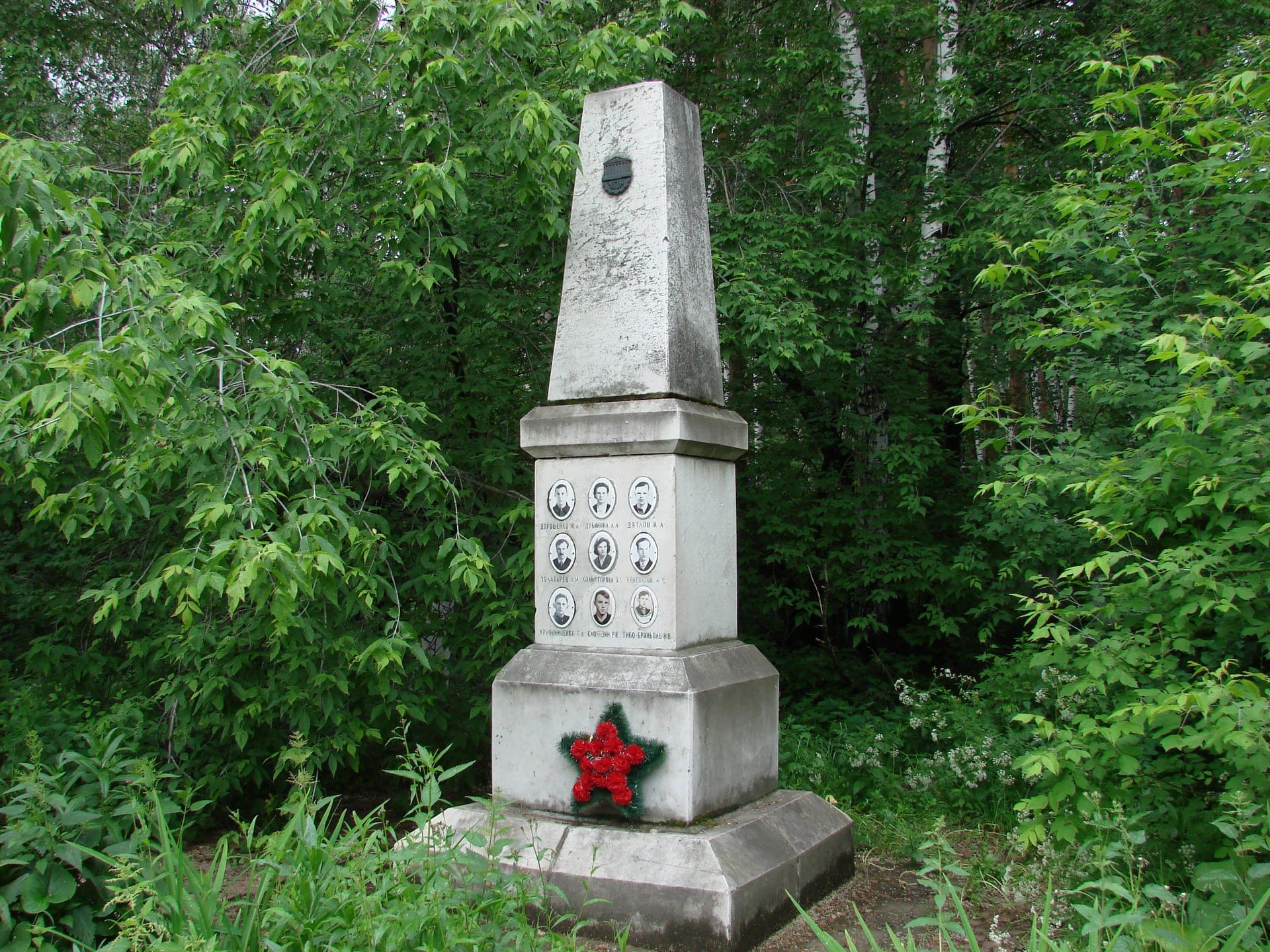
In February 1959, a group of nine hikers, mostly students from the Ural Polytechnic Institute, set out for Mount Otorten in the northern Ural Mountains. When they failed to return by February 26, a search party was dispatched. The group's tent was found torn open from the inside, and the bodies were discovered up to 1.5 kilometers away, inadequately dressed despite temperatures of -30 degrees Celsius.
The first five bodies found were determined to have died from hypothermia, but four others, discovered months later beneath a snow ridge, had severe injuries: three had major bone fractures. Lyudmila Dubinina was missing her tongue and eyes. Abnormal levels of radioactive contamination were detected on some clothing.
Soviet authorities concluded the deaths were caused by "a compelling natural force" but offered no specifics. The case files were classified and remained sealed until the 1990s.
Partially. In 2021 the Russian Prosecutor General's Office officially attributed the deaths to a slab avalanche, a conclusion supported the same year by avalanche simulations from researchers at ETH Zurich and EPFL Lausanne. However, several anomalies — including elevated radioactivity on some clothing and the specific pattern of soft-tissue loss in two bodies — remain debated.
The most widely accepted explanation is a delayed slab avalanche that compressed the tent in the dark, forcing the nine hikers to cut their way out and flee in inadequate clothing. Most then died of hypothermia in temperatures below -25°C, while three sustained severe blunt-force injuries consistent with the avalanche scenario.
Soviet investigators confirmed in 1959 that the tent had been slashed open from within, indicating the hikers exited under extreme urgency rather than unzipping the entrance. The most cited explanation today is panic caused by the snow load above the tent, which would have been impossible to clear from the outside in darkness.
The four bodies recovered months later were found in a streambed under deep snow, where post-mortem decomposition in running water can cause loss of soft tissues like the tongue and eyes. While disturbing, this finding is consistent with documented forensic patterns and does not, on its own, suggest foul play.
In July 2020 (publicly clarified in 2021), Russian prosecutors closed the reopened investigation by concluding that a slab avalanche caused the hikers to evacuate and that hypothermia was the primary cause of death. The conclusion was paired with peer-reviewed simulations published by Swiss researchers in Communications Earth & Environment showing that even a small slab avalanche on the slope geometry above the tent could cause severe chest trauma.