Starting in 1976, anonymous threatening letters terrorized residents of Circleville, Ohio, exposing secrets and making threats. A man was convicted — but the letters kept coming from prison.
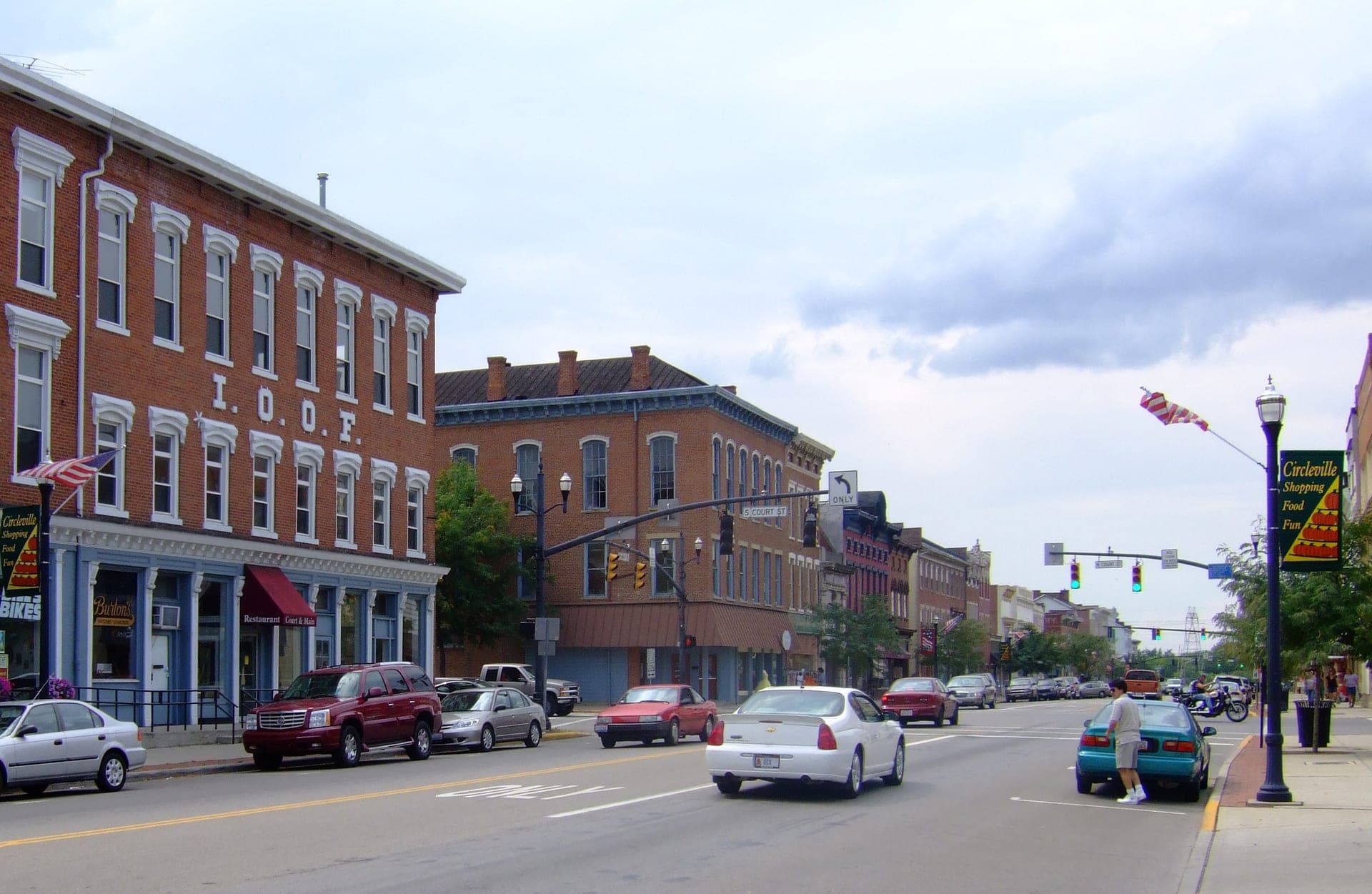
Spring 1976. Circleville, Ohio — a quiet town of about 13,000 people in the rural heartland of America. Residents began finding anonymous letters in their mailboxes.
The letters were written in blocky capital letters. Postmarked Columbus, Ohio. And they were venomous.
They exposed affairs, secrets, and lies. Who was sleeping with whom. Who drank too much. Who was breaking the law. In a small town where everyone knows everyone, the letter writer seemed to know more than anyone.
The letters arrived by the dozens. Then by the hundreds.
The primary target was Mary Gillispie, a school bus driver.
The letters accused Mary of having an affair with the school superintendent, Gordon Massie. They were also sent to Mary's husband, Ron. The message was blunt: "Tell your wife to stop seeing Massie, or I will make it public. And I will kill her."
On August 19, 1977, Ron Gillispie grabbed his gun and sped off in his pickup truck, apparently intent on confronting the letter writer. His truck veered off the road and slammed into a tree. Ron was killed. A gun was found in the truck. Officials ruled it an alcohol-related accident.
But the timing was impossible to ignore. Ron had received a threatening letter that very evening.
The letters did not stop after Ron's death. They intensified.
By 1983, the campaign had escalated beyond letters. Large signs appeared along Circleville's roads, publicly accusing Mary of her alleged affair with the superintendent.
Mary went to tear one down. As she pulled at the sign, she discovered a handgun rigged to it with wire. The trigger was connected to the sign — pulling it would have fired the weapon directly at whoever tried to remove it.
She narrowly avoided being shot.
The booby-trapped gun was traced through its serial number. It led investigators to Paul Freshour — Ron Gillispie's brother-in-law.
Freshour was arrested and charged with attempted murder. At trial, he maintained his innocence. Handwriting experts were divided — one said the writing matched Freshour's; another said it did not.
He was convicted and sentenced to a minimum of seven years in prison.
But here is where the case breaks apart.
After Paul Freshour was locked up, the letters kept coming.
Same handwriting. Same style. Same malice. Circleville residents continued to receive threatening letters exactly as before.
Prison officials testified that Freshour had no means of smuggling letters out. All his correspondence was monitored and censored.
So who was writing the letters?
Did Freshour have an accomplice on the outside? Or was Freshour innocent all along, and the real author was someone else entirely?
Freshour applied for parole in 1994 and was denied. He was told that admitting to the crimes would improve his chances. He refused, insisting on his innocence until his death.
The letters finally stopped in the mid-1990s, but the writer was never definitively identified. Circleville residents remain reluctant to discuss the case. The secrets of a small town stay sealed — locked in envelopes that no one dares to open again.
Somewhere in rural Ohio, someone wrote hundreds of letters that destroyed marriages, ended a life, and terrorized a community for nearly two decades. That someone was never caught. The mailboxes of Circleville are quiet now. But the silence feels less like peace and more like a held breath.