Ball lightning—a glowing sphere that appears during thunderstorms—has been reported thousands of times. Yet it resists laboratory reproduction and remains one of physics' most enduring enigmas.
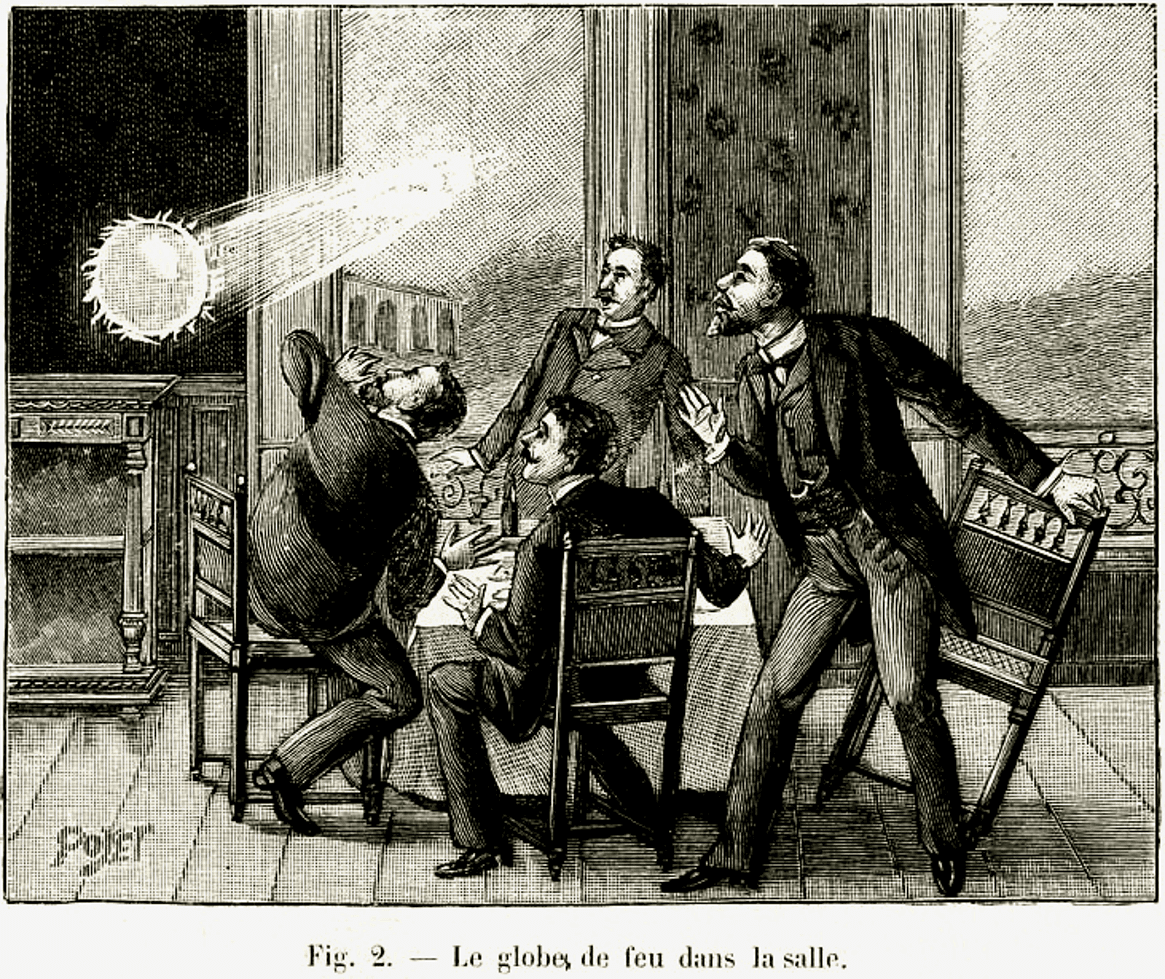
On a night split by thunder, it appears outside the window.
A luminous sphere, roughly the size of a tennis ball. Glowing white, yellow, or orange, it drifts slowly through the air. It passes through walls. It enters rooms through windows. And then, after seconds or tens of seconds, it vanishes silently—or detonates with a sharp bang.
This is ball lightning.
Reports of ball lightning stretch back hundreds of years. In 1638, at the Church of St. Pancras in Widecombe-in-the-Moor, England, a great ball of fire reportedly entered the building during a service, killing four people and injuring more than sixty.
In the 19th century, French scientist Francois Arago began systematically collecting reports of the phenomenon. Since then, thousands of eyewitness accounts have accumulated. Pilots, physicists, and ordinary citizens have all described the same thing: a self-contained globe of light, behaving unlike any known form of electrical discharge.
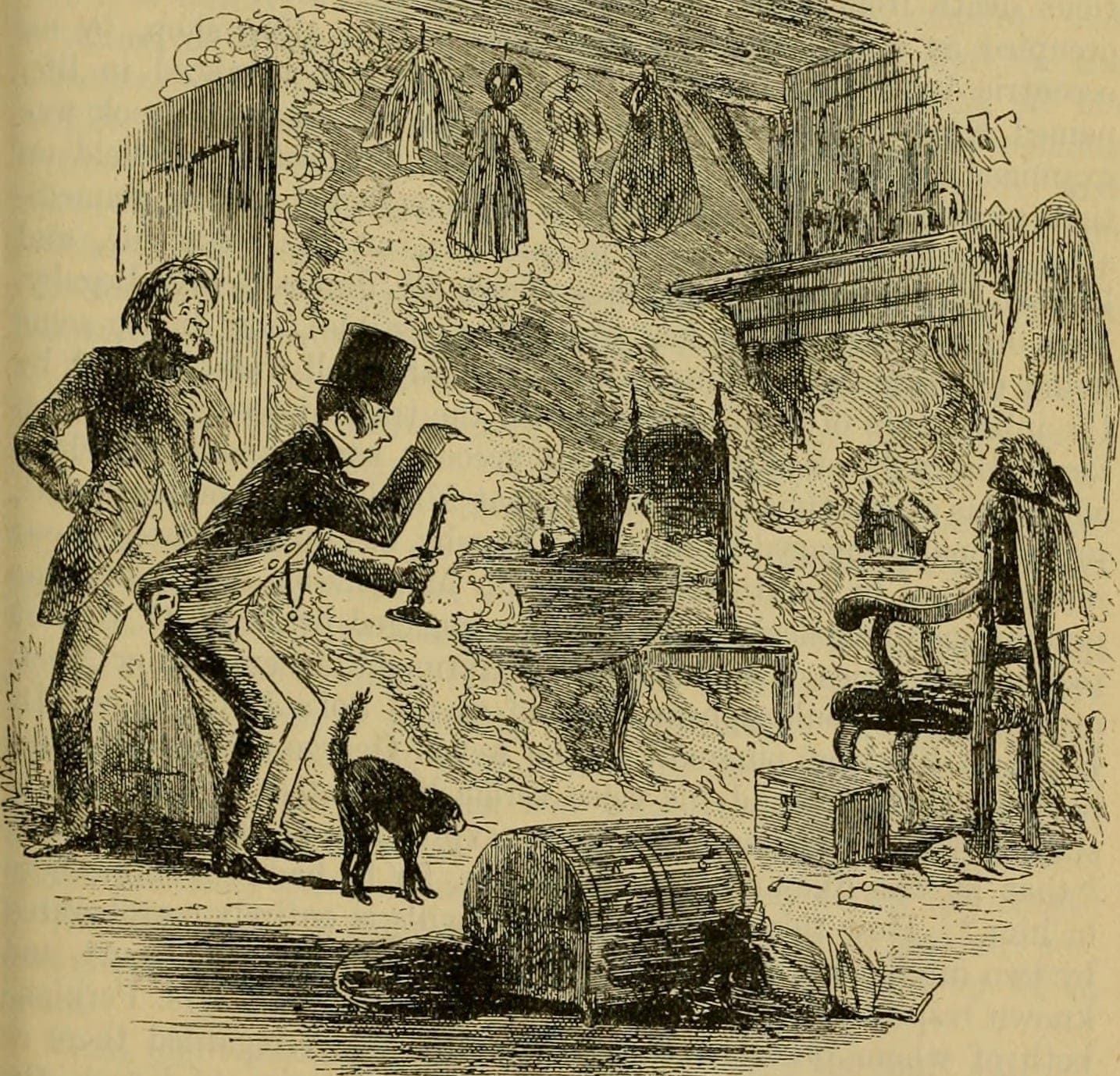
Among the most striking reports are those describing ball lightning entering enclosed spaces—appearing inside rooms without breaking windows, floating through hallways, and then vanishing. This behavior defies conventional models of lightning.
The fundamental problem with ball lightning is reproducibility.
In 2012, researchers at Lanzhou, China, were conducting spectral observations of natural lightning when they accidentally captured what appears to be ball lightning on their instruments. A luminous body approximately five meters in diameter persisted for about 1.6 seconds. Its spectrum revealed silicon, iron, and calcium. This was effectively the first scientific recording of ball lightning in a natural setting.
Laboratory reproduction, however, has proven extraordinarily difficult. Experiments using high-voltage discharges and microwaves have produced ball-lightning-like phenomena, but no one has succeeded in creating a long-lived, autonomous luminous sphere matching eyewitness descriptions.
Plasma theory. Combustion of atmospheric silicon particles in electromagnetic fields. Microwave plasma confinement. Even quantum mechanical models. The number of proposed explanations for ball lightning runs into the dozens.
New Zealand physicist John Abrahamson's "silicon hypothesis," proposed in 2000, remains one of the leading candidates. He suggested that lightning strikes vaporize silicon in soil, forming a sphere of nanoparticles that oxidize in air and glow. The Lanzhou data partially supports this model.
But reports of ball lightning passing through solid walls, appearing inside sealed aircraft cabins, and persisting far longer than any plasma model predicts remain stubbornly unexplained.
Ball lightning occupies a unique position among unexplained phenomena. It is widely reported across cultures, centuries, and continents. It has been observed by trained scientists. It has killed people. And yet, no laboratory on Earth can reliably produce it, and no single theory accounts for all its observed properties.
It is, perhaps, the most ordinary mystery in physics—a phenomenon that anyone might witness from their living room window on a stormy night, and that science still cannot fully explain.